Maintaining excellent oral health is about more than visiting the dentist twice a year. Daily habits, lifestyle choices, and preventive strategies are essential for keeping teeth and gums strong, minimizing the risk of decay, and avoiding costly procedures. With thoughtful routines and proactive care, it is possible to preserve your smile, prevent discomfort, and support overall well-being.
Oral health is closely linked to many aspects of your life, including nutrition, mental health, and even cognitive functioning. Diets rich in calcium, vitamin D, and phosphorus strengthen enamel and support gum health, while limiting sugary or acidic foods reduces the likelihood of cavities and erosion. Mental health factors, such as stress and sleep quality, can also influence oral health, potentially contributing to issues like teeth grinding or gum inflammation. Similarly, cognitive functioning impacts the ability to consistently follow oral hygiene routines, remember appointments, and understand care instructions, making proactive strategies even more important.
Beyond hygiene, preventive care and preparation for emergencies are crucial. Understanding when to seek prompt attention from your family dentist for sudden pain, injury, or other dental concerns can prevent small issues from escalating into complex procedures. By combining awareness of lifestyle influences with daily oral care and knowledge of emergency protocols, individuals and families can maintain healthier smiles and greater confidence.
This guide offers actionable strategies for daily maintenance, preventive care, and preparedness for dental emergencies, helping you protect your oral health at home while complementing regular visits to your dentist.
Establishing a Consistent Oral Hygiene Routine
Creating a reliable daily oral hygiene routine is foundational to long-term dental health. Brushing and flossing are the cornerstones, but the way you perform these tasks can significantly affect results. Proper technique reduces plaque, prevents cavities, and ensures gums remain healthy.
Helpful strategies include:
-
Brushing technique: Use a soft-bristled toothbrush, hold it at a 45-degree angle to your gums, and brush for at least two minutes twice a day. Pay attention to all surfaces, including the front, back, and chewing surfaces of teeth.
-
Flossing: Floss once a day to remove debris and plaque from areas your toothbrush cannot reach. Slide the floss gently between teeth and along the gumline, avoiding snapping or cutting the gums.
-
Mouthwash: An antimicrobial or fluoride mouth rinse can supplement brushing and flossing, reducing plaque buildup and strengthening enamel.
-
Routine checks: Schedule regular consultations with a local dental office or family dentist to assess your oral health and receive personalized advice.
Consistency is key. Even a well-equipped routine will not work if neglected, so establish a schedule that integrates oral care seamlessly into your daily life.
Protecting Your Smile With Teeth Whitening Maintenance
Maintaining a bright smile requires more than occasional professional treatment. Teeth whitening, whether performed in-office or at home under guidance, can enhance confidence and improve appearance, but results depend on continued care.
Tips for maintaining results include:
-
Avoid staining foods: Limit coffee, tea, red wine, and highly pigmented foods that can discolor enamel. If consumption is unavoidable, rinse your mouth with water afterward.
-
Use safe whitening products: Over-the-counter products can help maintain results, but follow the instructions carefully to avoid enamel damage.
-
Follow-up appointments: Regular visits with a family dentist ensure your whitening treatments are safe and effective, and minor touch-ups can be performed as needed.
-
Daily care: Brushing twice a day and flossing prevent plaque buildup that can dull teeth, preserving the brightness of your smile.
By combining professional guidance with at-home maintenance, you can enjoy long-lasting results that complement your overall oral health.
Managing Stress and Mental Health for Better Oral Health
Stress and mental health can directly impact oral hygiene habits and overall dental health. High-stress levels can lead to teeth grinding, jaw tension, and neglect of daily care routines. Additionally, cognitive functioning plays a role in remembering to perform essential oral care tasks consistently.
Strategies to reduce stress-related dental issues:
-
Identify stress triggers: Understanding what causes stress can help reduce its effects on oral health. Journaling, meditation, and mindfulness practices can be beneficial.
-
Address grinding: Stress-related teeth grinding (bruxism) can lead to enamel wear and jaw discomfort. A dentist may recommend a custom mouthguard to protect teeth.
-
Maintain routines: Strong cognitive functioning supports habit formation, making it easier to maintain brushing, flossing, and other hygiene practices consistently.
-
Seek professional support: Mental health care, including therapy or counseling, can indirectly improve oral health by reducing behaviors that contribute to dental problems.
By proactively managing stress and supporting mental health, individuals reduce the risk of both functional and aesthetic dental issues.
Leveraging Technology to Stay on Track With Oral Care
Technology offers a variety of tools to support oral health between professional appointments. Tele health consultations and digital reminders can help patients stay on top of their dental routines.
Practical strategies include:
-
Virtual consultations: Many local dental offices offer tele health services, allowing you to check in with a dentist regarding minor concerns without an in-person visit.
-
Oral health apps: Use smartphone apps to track brushing frequency, set reminders for flossing, and monitor dental care milestones.
-
Digital record keeping: Maintaining a digital log of dental treatments, previous procedures, and allergies ensures your dentist has accurate information for future visits.
-
Remote guidance: Tele health services can provide advice on managing minor discomfort or deciding whether an urgent in-person visit is necessary.
Integrating technology into daily care routines helps maintain consistent oral hygiene and supports proactive dental management.
Preparing for Dental Emergencies at Home
Being prepared for dental emergencies can minimize stress and prevent further damage. Recognizing urgent situations and taking immediate action is crucial to preserving oral health.
Emergency preparedness tips:
-
Identify emergencies: Severe pain, bleeding, or tooth displacement are common indicators that prompt professional attention is necessary.
-
Immediate measures: Use cold compresses, over-the-counter pain relievers, or temporary dental materials as advised by a dentist to manage pain or stabilize teeth.
-
Keep an emergency kit: Store items such as dental wax, temporary filling material, gauze, and pain relievers for quick access during urgent situations.
-
Know where to go: Understand when to visit an emergency clinic versus waiting for your regular family dentist to address the issue.
Preparation and prompt response can reduce complications and support faster recovery after a dental accident or sudden problem.
Teaching Children Good Oral Habits Early
Instilling strong oral hygiene habits in children sets the stage for lifelong dental health. Combining educational activities, age-appropriate tools, and professional guidance ensures children understand the importance of daily care.
Actionable tips include:
-
Make it fun: Incorporate songs, timers, or interactive games to encourage consistent brushing and flossing routines.
-
Use child-friendly tools: Select small, soft-bristled toothbrushes and fluoride toothpaste appropriate for preschool-aged children.
-
Schedule pediatric visits: Consulting a best pediatric dentist or children’s dentistry specialist helps identify early issues and reinforces healthy habits.
-
Lead by example: Parents who demonstrate proper oral care routines encourage children to follow suit.
Early education in oral hygiene not only prevents problems but also promotes a positive attitude toward dental care throughout life.
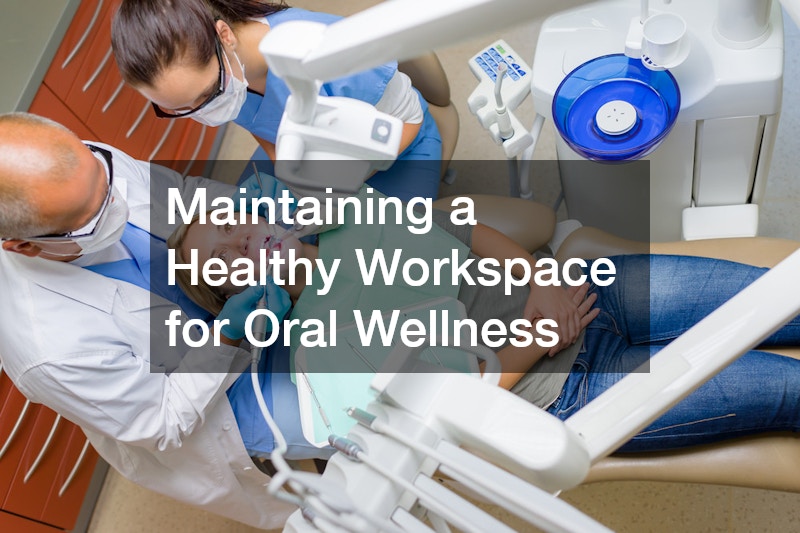
Maintaining a Healthy Workspace for Oral Wellness
Work environments, particularly office desks, can influence oral health habits. Prolonged periods at a desk, poor hydration, and frequent snacking may contribute to oral issues if not managed carefully.
Strategies for oral health at work:
-
Keep water accessible: Staying hydrated supports saliva production, which naturally protects teeth and gums.
-
Limit sugary snacks: Avoid constant snacking on high-sugar foods that increase the risk of cavities.
-
Schedule mini-breaks: Take brief breaks to brush after meals or rinse your mouth to reduce plaque accumulation.
-
Manage jaw tension: Proper posture and stress management reduce the risk of teeth grinding and temporomandibular joint discomfort.
Optimizing your workspace can reinforce positive oral health habits and mitigate risks associated with a sedentary lifestyle.
Supporting Overall Health to Protect Your Teeth
Oral health is closely tied to overall wellness. Proper nutrition, exercise, and musculoskeletal health contribute to stronger teeth and gums. Physical health, including support from physiatry recruitment services, can enhance daily routines that protect oral hygiene.
Key strategies include:
-
Nutrition: A balanced diet rich in calcium, vitamins, and protein strengthens teeth and gums.
-
Exercise: Regular physical activity supports circulation and overall health, benefiting oral tissue health.
-
Work with health professionals: Collaborating with physiatrists and other healthcare providers ensures that musculoskeletal issues don’t interfere with oral hygiene practices.
-
Integrate cognitive habits: Maintaining strong cognitive functioning aids in consistently following proper oral care routines and remembering preventive measures.
Prioritizing general health indirectly supports better oral outcomes and reduces the frequency of dental issues between professional visits.
Planning Routine Follow-Ups and Checkups
Regular follow-ups with a family dentist or local dental office are essential to monitor oral health, catch early signs of decay, and maintain any previous restorative or cosmetic work. Preventive visits reduce the likelihood of emergency visits and ensure long-term oral wellness.
Steps to maximize checkup effectiveness:
-
Set reminders: Use digital calendars or app notifications to track appointments.
-
Review dental history: Keep records of past procedures, crowns, fillings, or cosmetic treatments to inform ongoing care.
-
Ask questions: Discuss any new concerns, sensitivity, or lifestyle changes that may affect oral health.
-
Plan treatments in advance: Schedule routine cleaning, fluoride treatments, and any recommended cosmetic maintenance to maintain optimal oral health.
Structured follow-up planning ensures continuity of care and minimizes the risk of unnoticed complications.
Using Preventive Tools and Resources at Home
Empowering yourself with the right tools at home can support dental visits and enhance overall oral health. Modern dental care offers various products designed to prevent issues before they escalate.
Helpful home tools:
-
Electric toothbrushes: More effective at removing plaque and promoting gum health than manual brushing.
-
Water flossers: Especially helpful for individuals with braces or dexterity challenges.
-
Fluoride treatments: Over-the-counter gels or rinses can strengthen enamel between professional visits.
-
Educational resources: Online guides, tele health consultations, and professional advice from local dental offices can reinforce proper habits and provide quick guidance in case of minor concerns.
Having a well-equipped home care routine complements professional appointments and helps prevent both aesthetic and functional dental problems.
Adapting Oral Care to Life Changes
Life transitions, such as starting preschool-aged children, working in new office environments, or changes in health status, can affect daily oral routines. Adapting habits ensures continued protection against dental issues.
Tips for adapting:
-
Children: Integrate brushing routines into preschool schedules and family activities to establish lifelong habits.
-
Work changes: Adjust oral care strategies to accommodate longer office desk hours or travel schedules.
-
Health adjustments: Consult with physiatrists or other medical professionals if mobility or cognitive functioning changes affect your ability to perform daily oral hygiene.
-
Professional coordination: Keep your family dentist informed about these changes to receive tailored advice and care plans.
Being proactive about life changes ensures oral hygiene remains consistent and effective despite shifting routines.
Maintaining optimal oral health between family dentist appointments requires a multifaceted approach. By establishing consistent hygiene routines, protecting teeth and appearance with whitening and restorative practices, and proactively managing stress and overall health, individuals can prevent many dental issues before they arise.
Leveraging technology, preparing for emergencies, and educating children on good habits further strengthens preventive measures. Thoughtful workspace organization and home care routines support daily oral health, while regular follow-ups with dental professionals ensure that potential concerns are addressed promptly. Adaptation to life changes allows for continuity of care, protecting smiles through every stage of life.
An often-overlooked aspect of oral health maintenance is nutrition. A diet rich in calcium, phosphorus, and vitamins supports strong teeth and gums, while limiting sugary and acidic foods reduces the risk of cavities and enamel erosion. Healthy snacking habits, especially for children, can reinforce the lessons learned in family dentist visits and prevent the development of early dental issues. Similarly, staying hydrated promotes saliva production, which naturally cleanses the mouth, neutralizes acids, and helps protect against tooth decay.
Physical and cognitive health also play a role. Regular exercise and proper stress management not only benefit overall wellness but can reduce teeth grinding or jaw tension caused by stress. Cognitive functioning influences the ability to maintain routines, remember appointments, and follow complex care instructions, making it important to support memory and focus, particularly in older adults.
For families, encouraging open communication about oral hygiene habits ensures that children learn proper care from a young age. Using educational resources, apps, and tele health tools can provide guidance, reminders, and virtual consultations when in-person visits aren’t feasible. By combining proactive care, lifestyle adjustments, and professional support, individuals and families create a robust system for preserving dental health.
Taking these steps not only preserves teeth and gums but also fosters confidence, comfort, and well-being. With consistent effort, informed decisions, and professional support, individuals and families can enjoy lasting oral health and avoid unnecessary procedures, creating a foundation for a lifetime of healthy smiles.