If you’ve been told you need braces—or you’re exploring options for a loved one—you might be feeling a mix of curiosity, excitement, and maybe even a bit of anxiety. Braces have come a long way over the years, and today they’re one of the most effective and customizable tools in modern orthodontics. Whether your goal is a straighter smile, improved oral health, or correcting a bite issue that’s causing discomfort, understanding what braces are and what to expect can make the journey feel much smoother.
This comprehensive guide walks you through all the essentials: how braces work, the different types available, what treatment is like, and how to care for your smile during the process.
Why Braces Are Needed
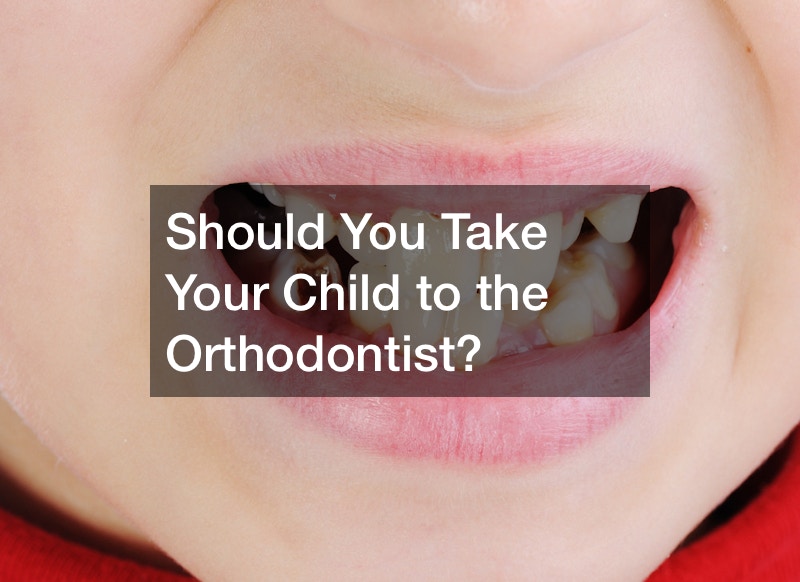
Braces aren’t only about aesthetics. While straighter teeth certainly boost confidence, they also contribute to better oral health. Crowded or misaligned teeth can make brushing and flossing difficult, increasing the risk of cavities and gum disease. Bite issues—such as overbite, underbite, and crossbite—can lead to jaw pain, headaches, excessive tooth wear, and difficulty chewing. Braces solve these problems by gradually shifting teeth into their ideal positions.
Orthodontists recommend treatment for a range of issues, including:
-
Crowded or crooked teeth
-
Gaps between teeth
-
Overbite, underbite, crossbite, or open bite
-
Jaw alignment issues
-
Uneven tooth wear or improper chewing patterns
While many people start treatment in childhood or adolescence, adult orthodontics is increasingly common. It’s never too late to achieve a healthier, more aligned smile.
How Braces Work
Braces apply gentle, consistent pressure to move teeth. Although the process may look different depending on the type of braces you choose, the basic principles are the same. Here’s what typically happens:
-
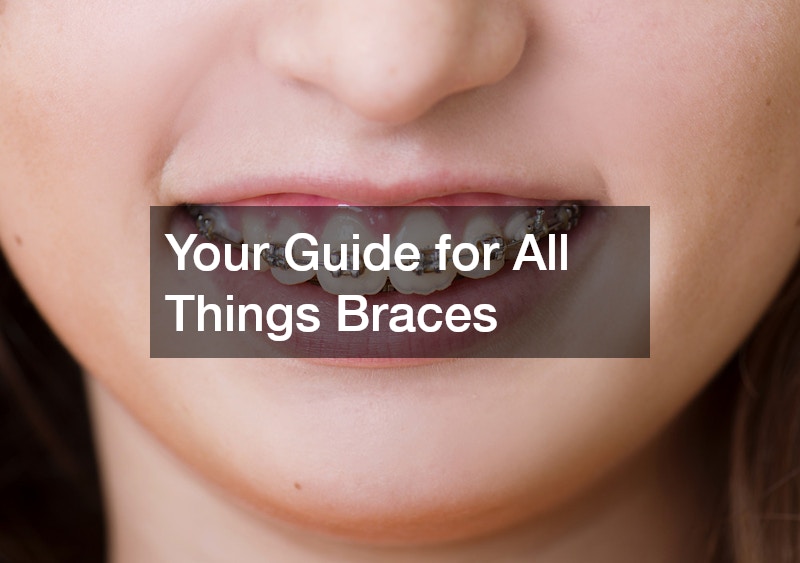
Brackets are attached directly to the surface of each tooth.
-
A wire (also called an archwire) threads through the brackets.
-
Small elastics or clips hold the wire in place.
-
Gradual adjustments to the wire guide the teeth into new positions over time.
The bone around each tooth adjusts to these movements, allowing teeth to shift safely and effectively.
Treatment time varies but usually ranges from 12 to 30 months, depending on the complexity of the case and the type of braces used.
Types of Braces and What to Expect
Modern orthodontics offers more choices than ever. Understanding your options will help you make the best decision for your lifestyle and budget.
1. Metal Braces
Traditional metal braces remain the most common type—and for good reason. They are strong, reliable, and effective for even the most complex orthodontic issues. Today’s metal braces are much smaller and more comfortable than the bulky versions from decades past. Younger patients also love customizing them with colorful elastics.
2. Ceramic (Clear) Braces
Ceramic braces function just like metal braces but use tooth-colored or clear brackets for a more subtle look. They’re popular among teens and adults who want a less noticeable option. Ceramic braces require careful cleaning because they can stain without proper care.
3. Lingual Braces
Lingual braces are placed on the back side of the teeth, making them nearly invisible from the outside. They offer excellent aesthetics but may require an adjustment period for speech and tongue comfort. They’re also typically more expensive and may not be appropriate for every case.
4. Clear Aligners (e.g., Invisalign)
Clear aligners have gained popularity for their convenience and appearance. These removable trays are custom-made and gradually shift teeth without brackets or wires. They’re ideal for mild to moderate alignment issues and allow you to eat, brush, and floss normally. However, they must be worn 20–22 hours per day to work effectively.
What the Treatment Process Is Like
Initial Consultation
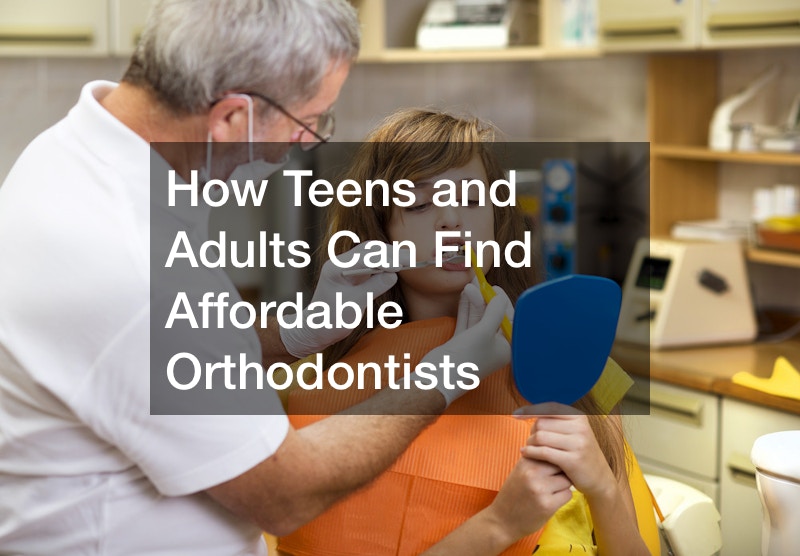
You’ll start with an orthodontic evaluation that includes X-rays, photos, and digital scans. Your orthodontist will recommend the best course of treatment based on your specific needs.
Getting Braces On
The placement appointment is painless and typically lasts about an hour. You may feel pressure during the first few days as your teeth adjust.
Adjustment Visits
Expect to visit your orthodontist every 4–8 weeks for adjustments. These appointments keep your treatment on track.
Discomfort
It’s normal to experience mild soreness after adjustments. Over-the-counter pain relief and soft foods can help ease discomfort.
Caring for Your Braces
Proper care ensures the best results and prevents complications.
-
Brush after every meal to prevent plaque buildup.
-
Floss daily, using floss threaders or water flossers for easier access.
-
Avoid sticky or crunchy foods like gum, caramel, popcorn, and hard candies.
-
Use orthodontic wax to soothe irritation on your cheeks or lips.
-
Protect your braces during sports with a mouthguard.
Life After Braces: Retainers and Beyond
Once your braces come off, your orthodontist will provide a retainer to keep your freshly aligned teeth in place. Wearing your retainer as instructed is crucial—teeth can shift back if retainers aren’t used consistently.
Many patients feel an incredible sense of confidence once treatment is complete, and the benefits last a lifetime with good oral hygiene and long-term retainer wear.
Final Thoughts
Braces are an investment in both your health and confidence. With today’s wide range of orthodontic options, you can choose a treatment that fits your lifestyle while achieving a beautiful, functional smile. Whether you’re just beginning your orthodontic journey or helping someone else start theirs, understanding the process makes it much more enjoyable.